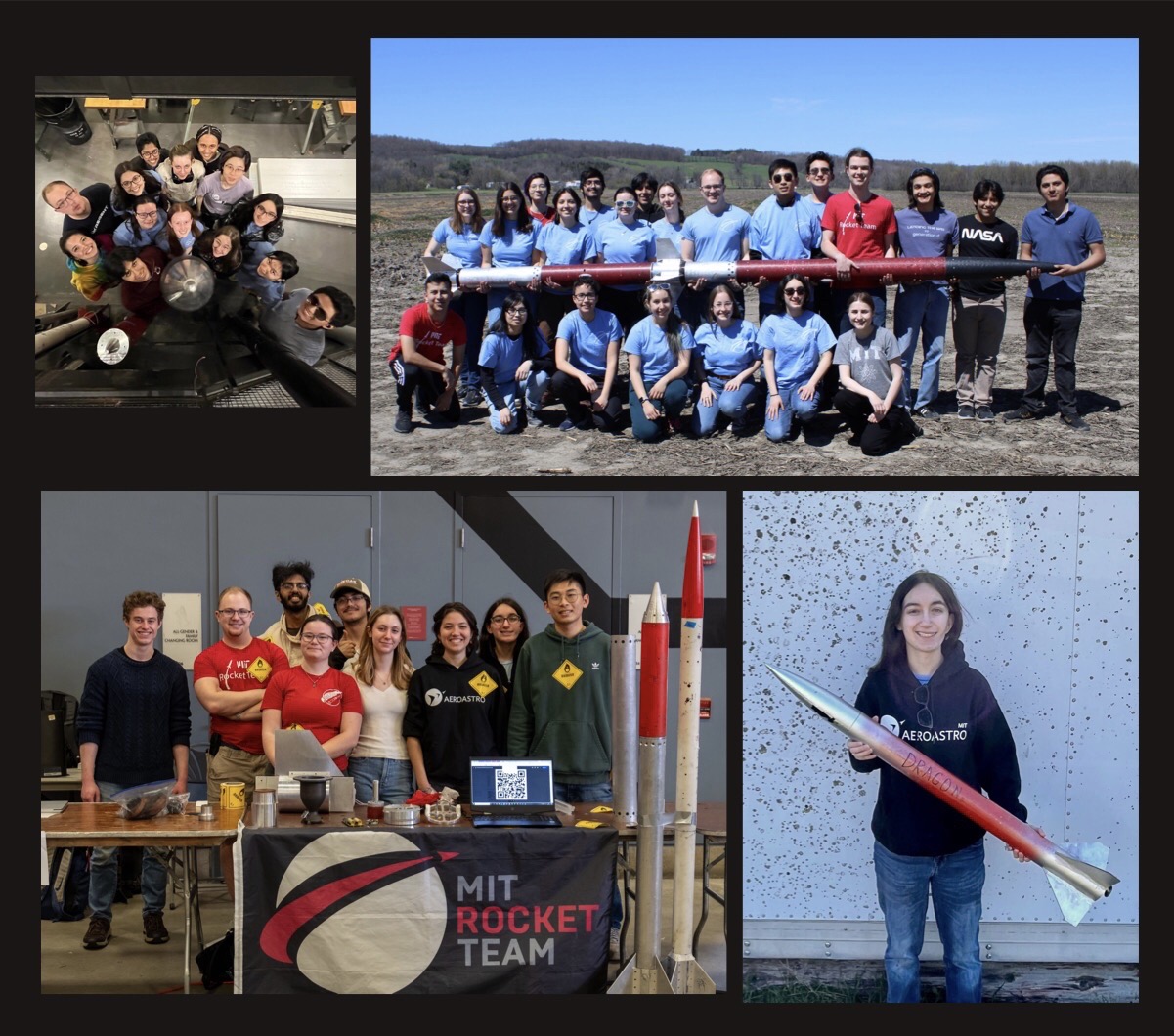
During her first year, Elizabeth Romero '26 traveled to the Mojave Desert to launch a rocket with the MIT Rocket Team.
PHOTO: COURTESY OF ELIZABETH ROMERO
Earth was largely still in lockdown, and most people weren’t so much as taking a cross-country flight. Humankind, however, had launched a rocket to the Red Planet. A year prior, SpaceX had sent its first crewed mission into orbit.
It was awe-inspiring, Romero thought, that despite all the pandemic-mandated limitations in daily life, we were still venturing into the great beyond. What’s more, she could see the next generation of spaceflight taking shape and knew she wanted to be a part of it.
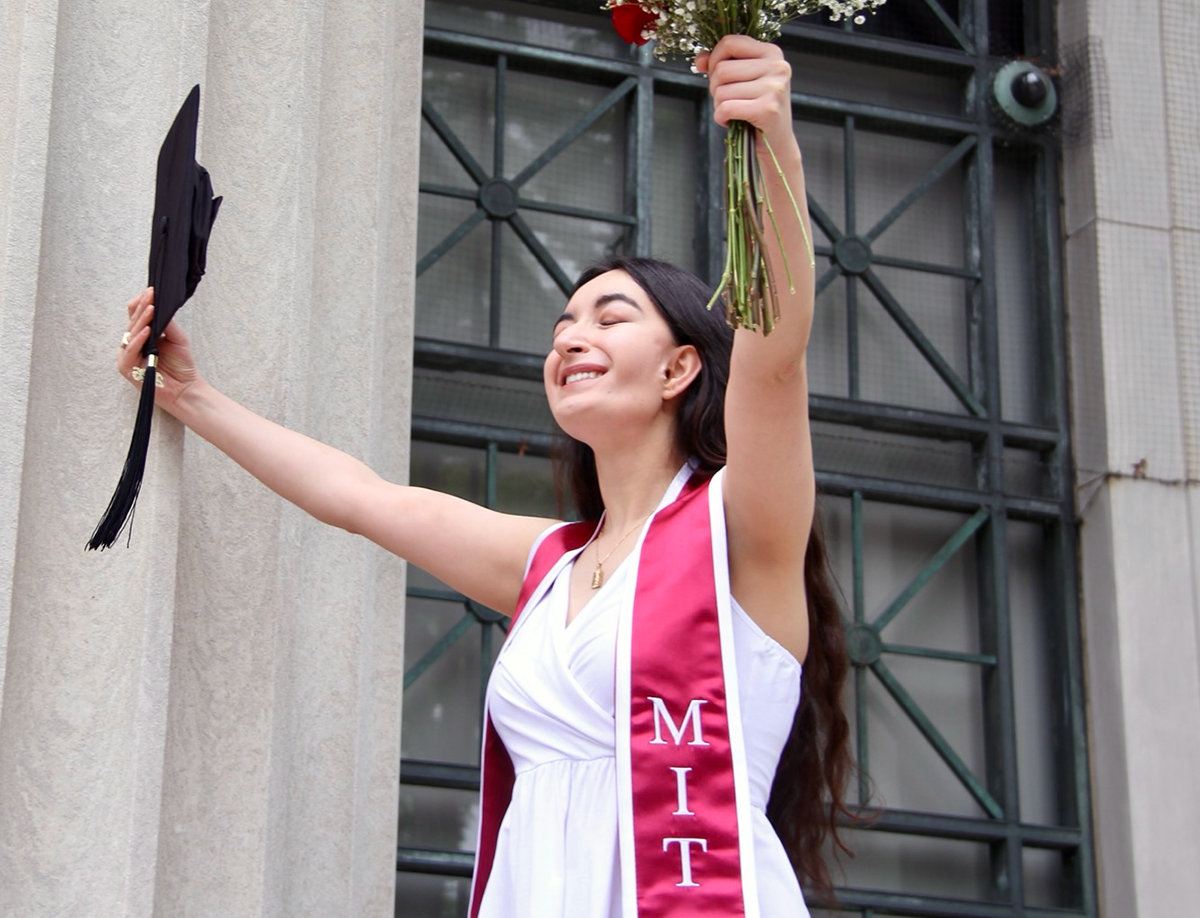
Her path there would go through MIT. Today, as she begins MIT’s master’s program in aeronautics and astronautics—after having received a bachelor’s degree in the same major in May—she remains as fired up as ever about joining this wave of human space exploration.
“I want to make sure I get on this big second wave of human spaceflight to contribute to some extraordinary engineering work,” Romero says, adding that she aspires to become an astronaut—and perhaps even a commander one day—but would also be happy in an Earth-based supporting role, such as mission operations. “Becoming an astronaut is a dream but any way to contribute to these missions is such a privilege. I’m so excited to see where life takes me,” she says.
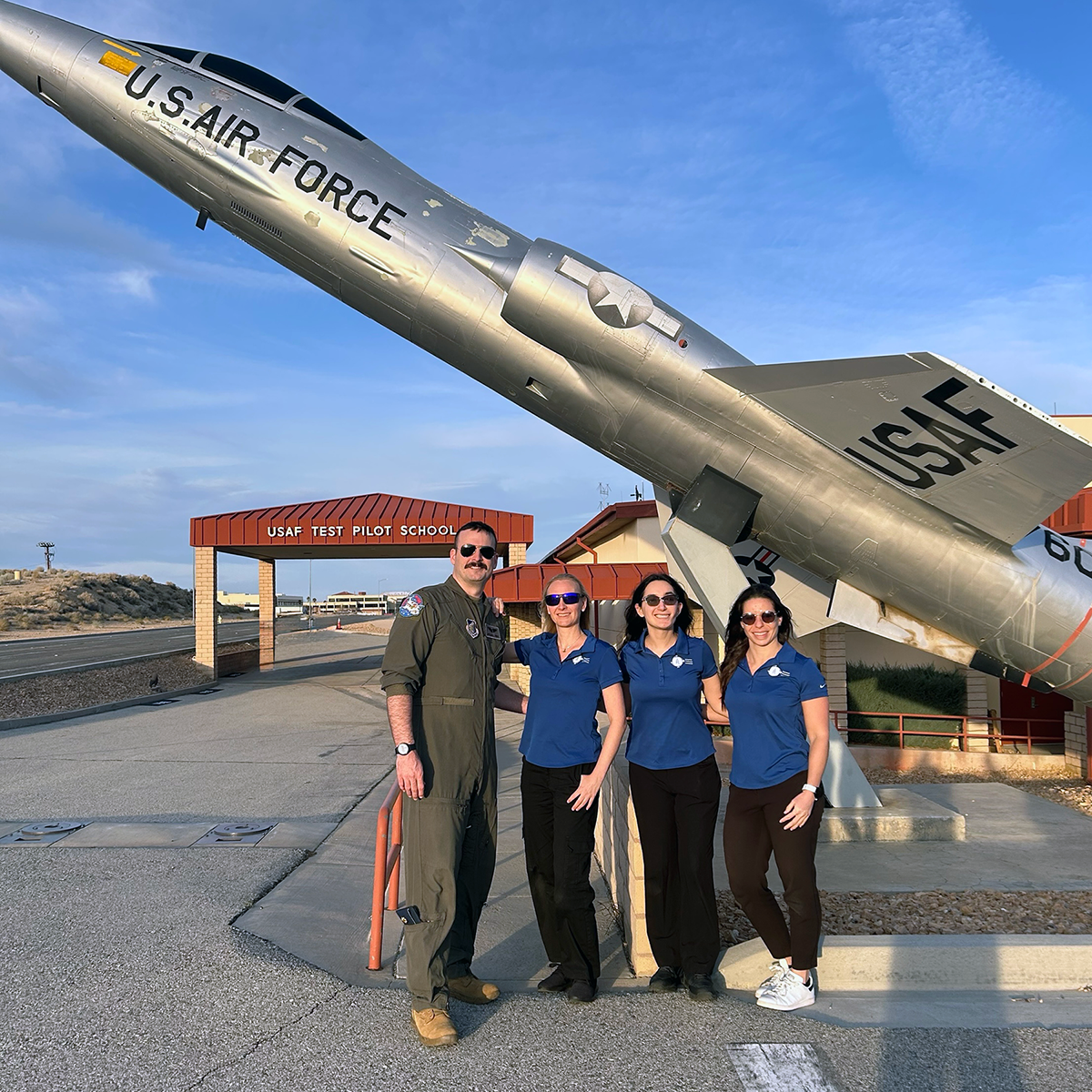
So far, as an undergrad, it has taken her to the Mojave Desert to launch a rocket, to Air Force bases in California and New Mexico for test flights, to Maine to simulate life in space, to Florida to present Moon and Mars mission concepts, to Italy to teach physics, and to two internships at SpaceX, where she worked on astronaut training and enhancing crew operations capabilities.
In summer 2026, it’s taken her to an internship at Vast, a company that’s building the world’s first commercial space station and aiming to build a successor to the International Space Station. At Vast, she works on developing the astronaut training program and supports human-in-the-loop testing.
“All of my internship experiences have been really focused on crew-focused mission operations. So, mission control, astronaut training, and crew system development. And I really like being on that operational side because I get to apply the technical rigor that I got at MIT to a very fast-paced, detail-oriented, safety-critical environment,” she says.
Out-of-this-world opportunities
Growing up near an airfield in Rancho Cordova, California, the daughter of an Air Force veteran, she was drawn to aerospace early and wrote in her application to the Institute that she wanted to design advanced aircraft and spacecraft. But once she arrived at MIT, she became more interested in the human side of space exploration, inspired by the focus on medicine in the Greater Boston area, she says.
“I love rockets and I love taking care of people, so this is a happy medium I’ve come up with,” she says.
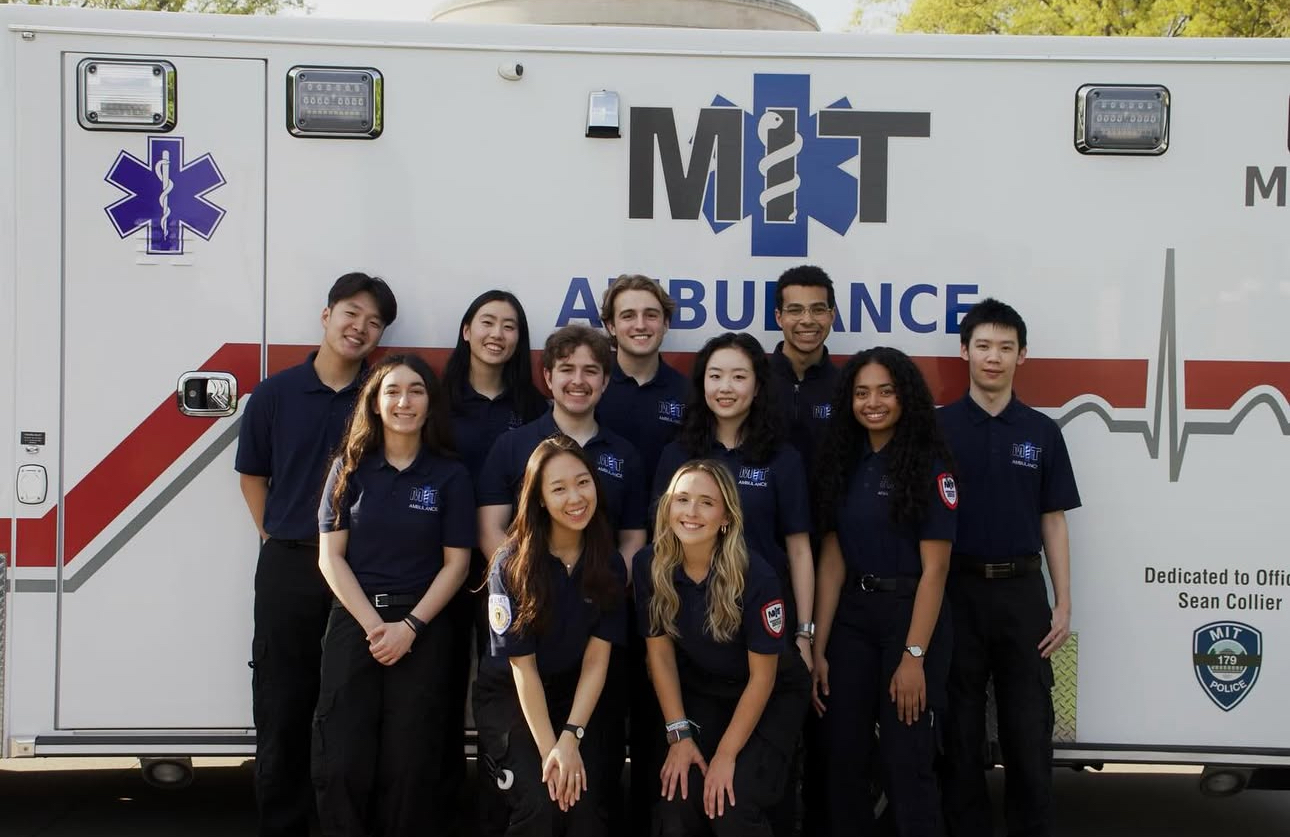
The experiences she had during her undergraduate years reflect these passions. She became a volunteer EMT with MIT Emergency Medical Services, which she says helped her develop an operational mindset that can be leveraged to respond to emergencies in space. During her first year at MIT, she spent time at a space analog in Maine, exploring psychological dynamics that might come into play once a large team is on the Moon or Mars. And she spent more than half her undergraduate years at MIT’s Aerospace Physiology Lab, contributing to medical evacuation research.
Romero marvels at these and other “outlandish opportunities” she’s had. “Freshman year I also went all the way to the Mojave Desert to launch a rocket with the MIT Rocket Team,” she says. Their rocket, Phoenix, reached 32,000 feet, setting a new team altitude record.
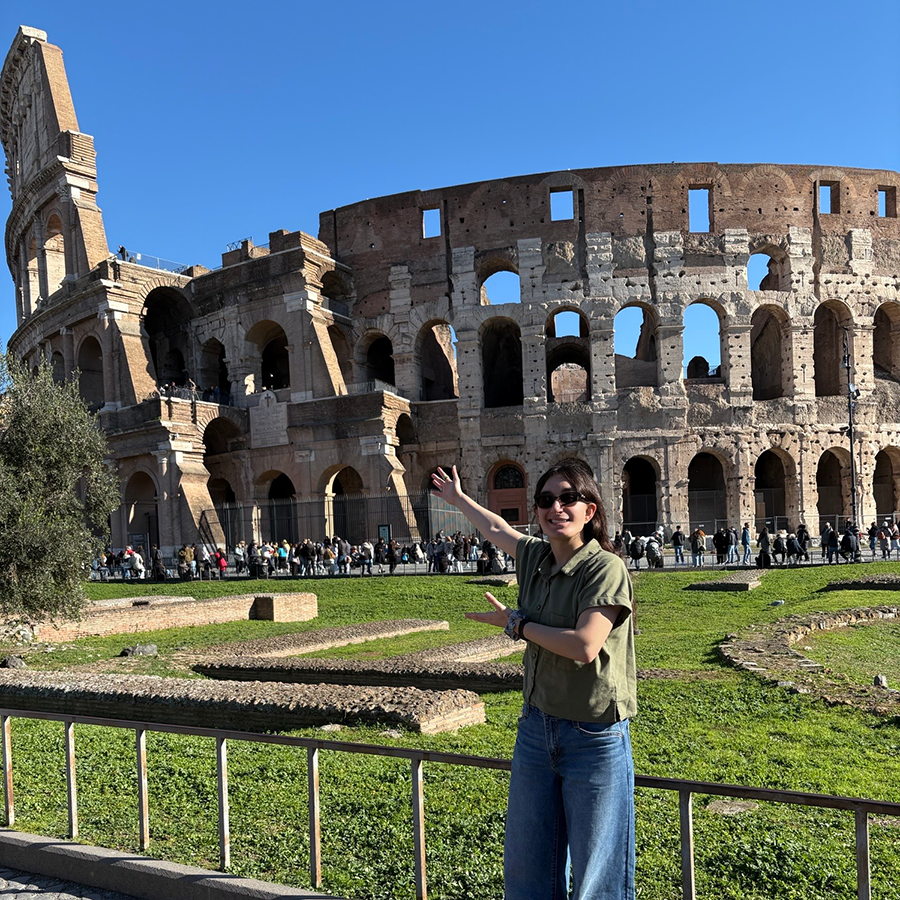
In 2024 and 2025, she got to spend a month teaching physics at humanities-focused high schools in Italy as part of the MIT International Science & Technology Initiatives (MISTI) program. “Italian physics is very theoretical-based, and so I came in with all these little devices and experiments…. It was a very fun shift of learning for them,” she says. It was also valuable for her: Designing lessons for people who spoke limited English and didn’t have a STEM-focused background helped her think about how to train astronauts with different capabilities and teamwork styles.
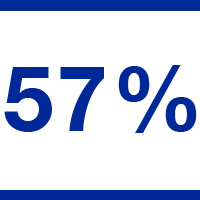
In academic year 2024–2025, 57% of undergraduates were awarded an MIT scholarship.
“I’ve got all of this experience, and I got to meet so many people and do exciting extracurriculars and amazing projects, and I think that’s something that’s only possible because MIT really does value the impact of those experiences,” she says.
“There’s somebody invested in my aerospace career”
Romero believes she wouldn’t be where she is today if it weren’t for MIT, a dream school for her since sixth grade. Her family has always been her biggest supporter, she says, but going to MIT would not have been possible without the financial support she got through the Joel Carl Speare (1967) Scholarship.
It not only provided the economic help she needed to attend the Institute but also provided a morale boost throughout her undergraduate years. “There’s somebody invested in my aerospace career, and I think that was just a very grounding reality that really helped me every year push towards my goals,” she says.
For her next goal—completing her master’s program—she plans to study and enhance surface extravehicular activities: when astronauts leave the safety of their spacecraft or habitat to explore the Moon or, one day, Mars. Her research pairs astronauts with autonomous systems, such as robots or rovers, to maximize science-driven exploration. This work is critical to optimizing mission operations and answering fundamental questions, including whether there is life on Mars and whether a human settlement there is possible, she says.
As for when or whether to pursue a PhD afterward, Romero says it depends on timing and whether an opportunity arises to make a big impact in industry. With the rise of commercial space companies, the recent success of NASA’s Artemis II mission, and government interest in accelerating American involvement in space, “aerospace students are on fire,” Romero says, adding that everyone’s trying to work fast to be a part of this new chapter in human spaceflight.
“MIT brings in so many inspiring people. They’re all just so motivated to achieve exceptional goals, and I figure, if the alumni did the Mars rover, who knows what my generation of aerospace students, and mechanical students, and computer science students, and psychology majors will do?” she says. “Who knows what will unfold in this next gen?”
SUPPORT SCHOLARSHIPS AT MIT
At MIT, breakthroughs begin with people—and graduates like Elizabeth Romero are an integral part of that story. From their earliest semesters, they contribute to work that advances knowledge and shapes new technologies. You can help MIT meet the financial needs of brilliant undergraduates by supporting scholarships. When you give to MIT in this way, you ensure that every student who accepts an offer of admission has the resources and support to thrive. Make your scholarship gift.